
How to Become an Ocean Therapist in Florida
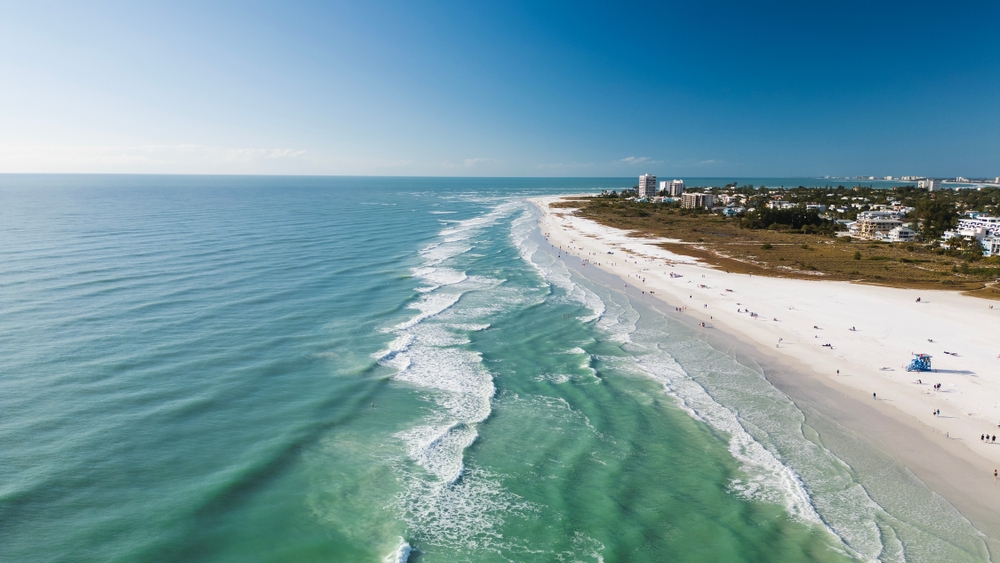
Ocean therapy uses the sea’s healing properties to boost mental and physical wellbeing. The practice dates back to ancient Greece. Hippocrates first noted that ocean water healed wounds and stopped infections. This therapeutic approach has changed by a lot over centuries. People also know it as thalassotherapy or blue care, from the Greek word “thalassa” which means ocean.
Several factors make ocean environments therapeutic. Seawater contains essential minerals like sodium, chloride, magnesium, potassium, calcium, and iodine that enter the skin during immersion. Sea air’s negative ions boost serotonin and dopamine levels. These changes lift your mood and lower stress. Your senses respond to the waves’ rhythm and sand’s texture. This natural calming effect promotes mindfulness and helps your mind recover.
Studies show ocean therapy works especially well for trauma recovery. A surf therapy program showed impressive results: anxiety dropped by 59%, depression decreased by 44%, and PTSD symptoms reduced by 38% right after participation. Veterans face higher risks – 58% of those exposed to warfare develop PTSD, while only 3-6% of civilians do.
Ocean therapy comes in different forms:
- Surf therapy: Combines surfing with therapeutic conversations
- Traditional thalassotherapy: Has seawater baths, pools, and marine product treatments
- Immersive experiences: Time spent near, in, or on the ocean
Groups like Operation Surf, Project Healing Waters Fly Fishing, and the Jimmy Miller Memorial Foundation run structured programs. They help military veterans, trauma survivors, and people with physical and developmental disabilities.
Ocean therapists help clients experience what Wallace J. Nichols, author of “Blue Mind,” found: “being in, on, under or around water makes you happier, more connected and better at what you do”. This field blends traditional therapeutic practices with the ocean’s natural healing powers.
Education
A career as an ocean therapist in Florida starts with the right education. Most professionals need a bachelor’s degree in marine biology, marine science, or related fields. Students typically need four years to complete their degree program. The curriculum covers biology, invertebrate zoology, cell biology, genetics, marine biology, botany, scientific research, and oceanography.
Florida’s universities offer specialized programs designed for marine science careers. The University of Florida’s program lets students customize their curriculum based on their interests and career goals. Their program has lower-division courses that build strong foundations in simple sciences and math. Students then move to upper-division courses for specialization.
Getting your undergraduate degree opens doors to specialized training. Future ocean therapists can choose from several certification paths:
- The Aquatic Therapy & Rehabilitation Institute (ATRI) certification needs 15 hours of aquatic therapy education
- Ocean Therapy Practitioner Certification programs you can complete online
- Master’s in Counseling for those who want to become licensed surf therapists
Real-world experience through internships plays a vital role. Organizations across Florida provide internships focused on:
- Dolphin therapy programs that need at least one semester of college
- Animal behavior training with experienced teams
- Therapy program internships for health science students
These internships help you work directly with clients in water-based therapeutic settings. You’ll develop significant skills to facilitate sessions, understand marine environments, and create therapeutic techniques specific to ocean-based interventions.
Basic Skills
Ocean therapists need a combination of water-based skills and people skills to help clients in marine environments successfully.
Water Safety Fundamentals come first. Ocean therapists must be CPR-trained and know how to assess water conditions and beach awareness. Advanced surfing skills aren’t required, but therapists should be willing to learn water safety protocols. They need to grasp basic aquatic concepts like buoyancy, airway control, spatial orientation, and transitions/recovery positioning.
Communication Skills play a vital role. Ocean therapists build safe spaces where groups and individuals can share openly as conversations flow with the ocean’s rhythm. They develop mentoring abilities and create judgment-free environments for their clients.
Technical Competencies involve knowledge about ocean environments, understanding various mental health conditions’ symptoms, and using mindfulness approaches that include “blue mind” techniques.
Group Leadership Skills help therapists run therapeutic sessions successfully. Programs follow a well-laid-out format that includes psychoeducation, water safety instruction, and guided activities. Participants develop life skills through these sessions – particularly teamwork, communication, problem-solving, and leadership abilities.
Florida’s aspiring ocean therapists build strong foundations by mastering these basic skills. This helps them guide clients to experience marine environments’ healing benefits while keeping safety and therapeutic value intact.
Advanced Skills
Your capacity as an ocean therapist in Florida grows when you become skilled at advanced techniques beyond the basics.
Success in this field needs expertise in specialized aquatic therapy techniques that help people of all types and conditions. Advanced practitioners learn to structure complex therapeutic sessions in different settings and make use of information about water’s unique properties.
Advanced water rescue skills play a crucial role in keeping clients safe during challenging scenarios. These skills include tethered swimming, underwater search techniques, rope rescue systems, and nighttime rescue operations. Therapists must know the limitations of various techniques and adapt to water conditions.
Ocean therapists at advanced levels work with specialized therapeutic frameworks:
- Blue mind theory combined with somatic-based techniques
- Primitive reflex integration within aquatic environments
- Ocean-based meditation and embodiment rituals
- Risk assessment and split-second decision-making abilities
Creating safe spaces for transformative experiences is essential to professional growth. Yes, it is common for successful practitioners to develop environmentally responsible business models that line up with their therapeutic purpose. They learn mindful branding strategies and business systems organization.
Advanced practitioners work together with experts from many disciplines and understand how biological processes influence ocean chemistry and sediments. You’ll need to know how to use technological tools like specialized equipment to gather data and complex assessment techniques.
A career in ocean therapy connects you directly with Florida’s rich marine environments. Let’s take a closer look at your potential daily work based on the education and skills we discussed.
Ocean therapists in Florida work in a variety of settings. You’ll find them in rehabilitation centers, hospitals, beachfront programs, and private practices. Traditional clinical settings provide stability, but many therapists set up independent services near coastal areas where blue therapy naturally flourishes.
Your daily work would include:
- Getting a full picture of client needs
- Creating individual-specific therapy plans with ocean-based treatments
- Leading individual and group therapy sessions in marine environments
- Keeping track of progress and fine-tuning treatments
- Working with healthcare teams to provide complete care
This field runs on teamwork. Most therapists work among marine biologists, mental health professionals, and physical therapists. Their different views help create a stronger therapeutic approach.
Many Floridians seeking alternative healing methods believe in the power of ocean therapy. As a professional, you’ll turn this belief into structured treatments supported by evidence-based practices.
Starting your practice becomes easier when you shadow experienced ocean therapists first. Building relationships with local marine conservation groups can open doors to program development and client referrals.
Salary and Career Expectations
Ocean therapy professionals in Florida can expect varying pay scales. Marine psychologists who specialize in ocean therapy earn around $69,358 annually. The salary range typically falls between $49,700 (25th percentile) and $87,400 (75th percentile). Top performers in the field can make up to $109,104 (90th percentile).
Your location in Florida makes a big difference in what you’ll earn. Port St. Lucie leads with annual salaries of $92,810. Plantation ($92,191) and Miami Beach ($91,654) follow close behind. Aquatic therapists generally earn less with Florida averages at $51,382 per year. Their earnings start at $32,660 and go up to $68,905, while top performers make $84,837 annually.
The job market for recreational therapists, which includes ocean therapists, shows steady growth. Experts predict a 4% increase through 2033, matching typical job growth rates. This creates about 1,400 job openings each year, mostly due to staff turnover rather than industry expansion.
The benefits package adds significant value to your base salary. Most employers provide health insurance, retirement plans, tuition support, and vacation time. Some organizations go further by offering wellness perks such as gym memberships and mental health services.
These financial insights show how you can turn your passion for “the ocean is my therapy” into a rewarding career in Florida. The numbers paint a promising picture for anyone considering this path.
Certifications and Licensing
Aspiring ocean therapists in Florida need to understand their certification options. No single standardized “ocean therapist” credential exists yet, but several paths can lead to qualification.
The National Council for Therapeutic Recreation Certification (NCTRC) awards the Certified Therapeutic Recreation Specialist (CTRS) credential to therapeutic recreation specialists who work in aquatic settings. Professionals must recertify every five years. They can do this by completing 480 hours of professional experience plus 50 hours of continuing education, or by retaking the certification exam.
The Aquatic Therapy & Rehabilitation Institute (ATRI) certification stands out as a specialized option. Candidates need 15 hours of prerequisite education in aquatic therapy. The exam costs $255 and evaluates your knowledge of aquatic therapy standards.
Licensed mental health professionals in Florida must follow state guidelines. These professionals renew their licenses every two years. Ocean therapy programs usually need licensed or associate therapists who lead pre and post surfing talking circles.
The Ocean Healing & Therapy Program (OHTP) promotes itself as “the only certification of its kind.” It blends blue mind theory with neuroscience and ocean education. Some groups like the Jimmy Miller Foundation want their certified surf instructors to have CPR training.
Your background will determine the best certification path. This could be psychology, occupational therapy, recreational therapy, or related fields.