
Counseling Programs offered at Florida Gulf Coast University
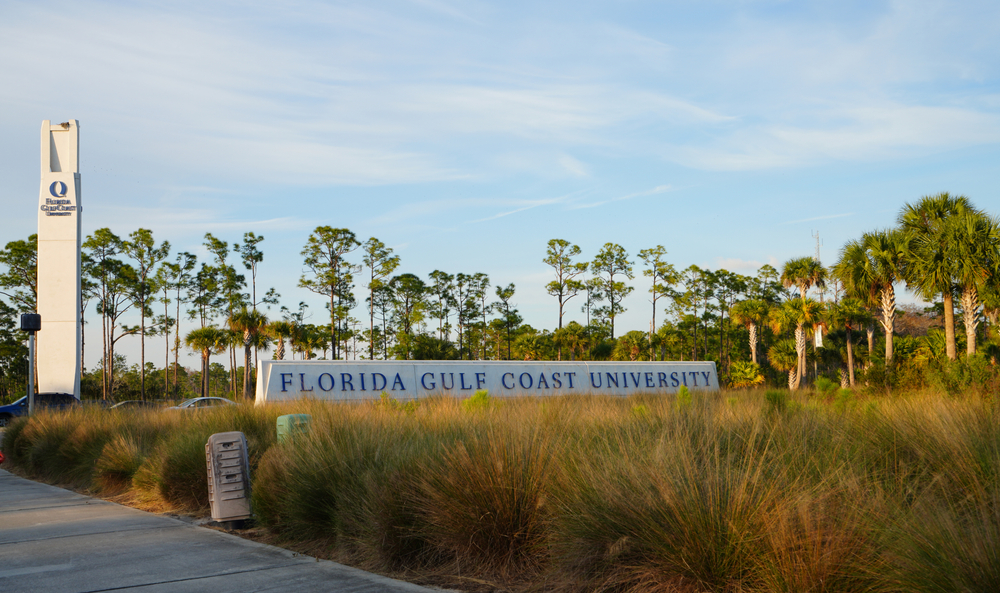
The Marieb College of Health & Human Services at Florida Gulf Coast University houses exceptional counseling programs. These programs emphasize academic excellence, critical thinking, ethical practice, and working across disciplines. Students learn to tackle society’s most pressing issues while helping communities and individuals live better lives.
FGCU’s counseling department shines through its well-laid-out curriculum. Students start learning practical counseling skills early and apply them in various professional settings. The programs hold CACREP accreditation (Council for Accreditation of Counseling and Related Educational Programs), which ensures education meeting strict national standards.
The school aims to produce outstanding practitioners, leaders, and scholars. Graduates understand their unique practice environments, whether they work in PreK-12 schools, community agencies, or specialized settings for specific client needs. Both faculty and alumni promote wellness and achievement throughout life through their work, leadership, and advocacy.
The Community Counseling & Education Center, four years old, serves as a cornerstone for student training and community support. This modern clinical facility boasts six counseling rooms, two group counseling spaces, and a play therapy room. Each room comes equipped with technology for live and recorded observation, supporting both training and research.
The program has grown substantially over the last several years. Faculty numbers have nearly doubled since 2014, while enrollment has jumped 30% since 2020. This growth helps address Southwest Florida’s shortage of mental health professionals. The program’s influence runs deep – about 80% of graduates stay in the five-county area, building a stronger local workforce.
Students thrive in a cohort-based model with dedicated faculty who guide them through this demanding yet fulfilling program. This supportive setting and extensive hands-on experience lead to remarkable outcomes – graduates find jobs within three months of completing their degree.
Field experiences run throughout the program, letting students develop practical skills under expert supervision while helping the community. These experiences prepare graduates to make their mark in community agencies, mental health centers, and private practices.
What counseling programs does Florida Gulf Coast University offer?
FGCU helps you build a successful career in mental health through several specialized graduate-level counseling programs. Each program combines challenging academic work with hands-on supervised field experience.
The MA in Clinical Mental Health Counseling program sets you up to become a Licensed Mental Health Counselor in Florida as a registered intern. Students can complete this CACREP-accredited program in three years. The program has coursework in human development, legal and ethical issues, career development, appraisal methods, counseling theories, group work, and research. You’ll get real-world experience through 700 hours of practicum and internship. The program also has specialized courses in human sexuality, addictions, cross-cultural counseling, trauma, family counseling, and professional development.
Students looking to work in schools should consider the MA in School Counseling program that meets Florida Department of Education and American School Counselor Association (ASCA) standards. The curriculum covers student learning and behavior, legal/ethical issues, college and career development, appraisal methods, counseling theories, and group work. You’ll complete 600 hours of supervised internship over three semesters. This internship focuses on college readiness, social-emotional learning, and academic achievement in local schools. Teachers without certification need extra courses and must pass the state FTCE exam to get certified.
FGCU also offers these specialized certificate programs:
- Couple and Family Counseling Certificate
- Transition to Clinical Mental Health Counseling Certificate
Students can pursue both LMHC licensure and Florida Marriage & Family Therapist credentials through the Clinical Mental Health Counseling program with Couple & Family Counseling Concentration.
The programs use a cohort-based model that creates a strong support system throughout your studies. The results speak for themselves – 100% of graduates land jobs within three months after graduating. Most alumni work in community agencies, mental health settings, and private practices. About 80% stay and work in the Southwest Florida region.
Current FGCU students can access mental health support and therapy services through the university’s Counseling and Psychological Services (CAPS), though these services are only available to enrolled students.
Internships/Practicum at FGCU
Real-life experience is the foundation of counseling training at FGCU. The degree program integrates field experiences throughout your studies. Each graduate-level counseling student completes a minimum of 700 hours of supervised field work. Students help with real-life issues like college readiness, social-emotional learning, academic achievement, depression, cyberbullying, and substance abuse.
Your field trip unfolds in several well-laid-out stages. The MHS 6401: Counseling Techniques course helps you develop essential micro-skills and interviewing techniques. You then move to the practicum stage—your first time working with actual clients. This requires 100 total hours, with 40 hours of direct client service.
FGCU’s on-campus Community Counseling & Education Center (CCEC) serves as your primary training ground for practicum and internship experiences. This 2019-old facility creates a supportive environment where you can build confidence in your clinical abilities under expert faculty supervision. A recent graduate, Niesha Radovanic, shared about her CCEC internship: “It’s a great place to really learn and grow as an intern”.
After completing your practicum, you’ll advance to internships that need 600 total hours over multiple semesters. This includes 240 hours of direct service. Your internship activities include:
- Individual, group, couple, and family counseling
- Assessment procedures and case conceptualization
- Staff meetings and professional development activities
- Record keeping and documentation practices
- Site orientation and specialized training
Doctoral psychology students at FGCU can join an APA-accredited, year-long internship. This requires 2000 hours with 500 direct service hours. CAPS also provides training opportunities to master’s-level counseling and social work students. These placements need 16-24 weekly hours during fall and spring semesters.
These complete field experiences prepare you well for immediate employment after graduation. Many employers value FGCU’s thorough clinical training program.
What sets Florida Gulf Coast University apart?
FGCU stands out from other Florida counseling programs with its mix of academic excellence, affordability, and great student outcomes. The counseling department has built a strong reputation. They rank #1 for Schools with a Master’s Highly Focused on Counselor Education/School Counseling and Guidance Services in Florida.
Student outcomes really set FGCU’s counseling programs apart. Their graduates excel in licensure exams. The program has an 82% pass rate on the Clinical Mental Health Counselor Examination (CMHCE)—ranking second highest among Florida graduate schools and nationwide programs. This is a big deal as it means that they’re well above Florida’s overall 48% pass rate. The strong results show in job placement too, with all graduates finding work within three months after finishing their degree.
The 4-year old Community Counseling Center shows FGCU’s dedication to student training and community service. Mental health counseling is available here starting at $25 per hour, with rates that drop based on a client’s hourly wage. Services remain open to everyone, whatever their economic or immigration status might be. Evening and weekend hours fit different schedules.
Quality improvements show clearly in the retention rates. Clinical Mental Health Counseling jumped from 50% to 84%, while School Counseling improved from 56% to 73%. Yes, it is worth noting that the 1.3% undergraduate student loan default rate sits well below the national 10.1%, showing how graduates can find jobs and handle their education costs.
The program keeps costs reasonable despite its high quality. A Master’s in counseling costs $37,276 total, and about 79% of students get some financial aid. The 77% acceptance rate makes the program available to aspiring counselors from many backgrounds.
FGCU has become Florida’s top choice for counseling education through its mix of academic excellence, affordability, and outstanding results.
Next steps
Want to join one of Florida’s top counseling programs? Your path to becoming a Florida Gulf Coast University counseling student starts with a simple application process.
Priority review of applications begins February 1 each year. The university reviews later applications based on available space. Here’s what you need to do:
- Submit the Graduate Application with a $30.00 application fee
- Send official test scores and transcripts to grad_docs@fgcu.edu or via mail
- Track your application status through your Future Eagle Account
After acceptance, you’ll need to take care of a few important details. You should establish your Florida residency status to determine your tuition. Students who aren’t in online-only programs must submit their immunization records. The university also expects you to join at least one professional organization, such as the American Counseling Association or American School Counselor Association.
These graduation requirements need your attention:
- You must register for at least one credit hour in your graduation semester
- A complete exit exam awaits you during your final fall term
- The academic calendar lists deadlines for your graduation application
Clinical Mental Health Counseling graduates can apply for registered intern status right after graduation. Most graduates go on to obtain their license. About 80% choose to stay in Southwest Florida, which strengthens the local mental health workforce.