
Counseling Programs offered at Florida International University
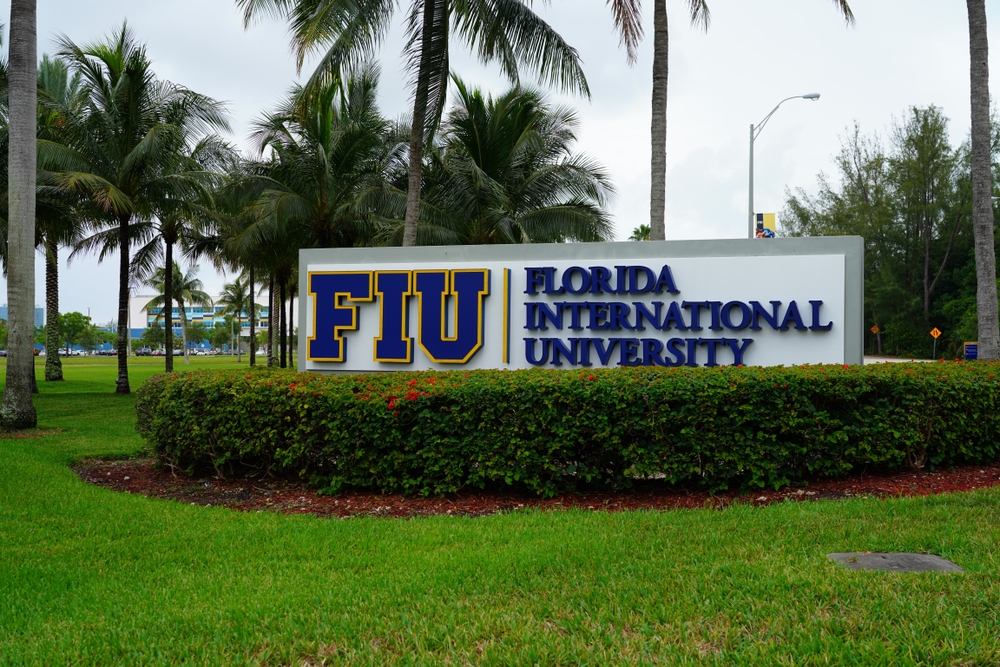
FIU’s counseling programs prepare you for professional roles in a variety of settings. These programs focus on multiculturalism in practice and theory. Students get excellent opportunities to grow both personally and professionally.
The university aims to create competent mental health professionals who can help individuals in settings of all types – from hospitals and agencies to private practices. Students learn to handle the unique challenges of working in multiethnic, multicultural, and urban environments.
Several specialized counseling programs are available at FIU. The Clinical Mental Health Counseling program combines research and theory with hands-on experience. This 60-credit graduate program guides you toward a Master of Science in Psychology. The degree qualifies you to become a Licensed Mental Health Counselor (LMHC) in Florida. The School Counseling program teaches you to work with children, their parents, and teachers in K-12 school settings.
These programs stand out because they focus on evidence-informed practices. Students in the Clinical Mental Health Counseling program develop skills through core classes. These include personality theories, cross-cultural counseling, and psychopathology. On top of that, students can access extensive resources. These include academic computer facilities, two libraries, laboratory facilities, and connections with faculty members at FIU and other local universities.
The university’s Counseling & Psychological Services (CAPS) helps students develop academic skills and maintain emotional well-being. Currently enrolled students can access these services for free through the Student Health Fee.
Recent events have made FIU’s counseling programs more important than ever. Mental health support in educational settings has become crucial after COVID-19 and school shootings. FIU experts can discuss counseling, traumatic events, and social work in school settings.
Graduates earn valuable credentials from these programs. The School Counseling program leads to national school counselor certification and Florida Department of Education (FLDOE) school guidance and counseling certification. The university also provides Continuing Education Credit options to help with professional development.
What counseling programs does Florida International offer?
FIU’s College of Arts, Sciences & Education offers several specialized counseling programs that prepare you for different career paths in mental health. These programs help meet our society’s growing need for qualified mental health professionals.
The Clinical Mental Health Counseling (CMHC) program is one of FIU’s leading options for future counselors. This complete 60-credit hour curriculum blends theoretical knowledge with practical clinical experience. You’ll build expertise in personality theories, cross-cultural counseling, and psychopathology. After graduating with a Master of Science in Counseling Psychology, you can pursue licensure as a Mental Health Counselor in Florida.
The School Counseling program trains professionals who want to support students’ academic and emotional growth in schools. You’ll learn skills to handle challenges unique to K-12 environments. This path guides you toward national school counselor certification and Florida Department of Education certification in school guidance and counseling.
Students looking to advance their careers can choose the Counselor Education Ph.D. program. This doctoral program prepares you to lead in counselor education, supervision, and research. You’ll study advanced counseling theories, research methods, and teaching strategies needed to train future counselors.
Multicultural competence forms the foundation of all FIU counseling programs—crucial for serving South Florida’s diverse population. Your coursework will help you understand and address the unique needs of different cultural, ethnic, and social groups.
Getting into these programs requires:
- A bachelor’s degree from an accredited institution
- Good GRE scores
- Letters of recommendation
- Personal statement
- Resume with relevant experience
Students progress through the curriculum in groups, building strong professional relationships with classmates. You can complete most programs in 2-3 years of full-time study, and part-time options fit working professionals’ schedules.
FIU’s programs create counselors ready to serve in community mental health centers, hospitals, schools, and private practices.
Internships/Practicum at Florida International University
Your counseling education at Florida International University culminates with field experiences that let you apply theoretical knowledge in real-life settings. FIU requires all counseling majors to complete 600 hours of internship, and program-specific practicum requirements vary by specialization.
Clinical Mental Health Counseling students start with a full-time practicum (MHS 6800) and then complete a 600-hour internship (MHS 6820). Students can finish their internship in one semester or split it between two consecutive terms. Rehabilitation Counseling students need a 100-hour practicum (RCS 6801) and a 600-hour internship (RCS 6821) spread across two consecutive semesters.
Students must meet specific prerequisites before starting field experiences. Rehabilitation Counseling students complete most coursework first. Every student needs advisor approval to enroll in field experiences.
Your internship responsibilities under supervision include:
- Conducting individual and group counseling sessions
- Implementing educational and career development activities
- Consulting with key individuals in clients’ lives
- Applying assessment procedures and interpreting results
- Developing preventive strategies for positive mental health
Site selection depends on supervisor qualifications. Clinical Mental Health counseling supervisors need at least a master’s degree in counseling, psychology, or clinical social work with appropriate licensure. Rehabilitation Counseling supervisors must have a master’s degree in rehabilitation counseling or related field and three years of experience working with persons with disabilities.
Students must maintain professional liability insurance throughout their clinical experiences. Required documentation includes weekly logs, field experience summaries, and formal evaluations at mid-semester and when the experience ends.
Professional Counseling Psychology program follows a different approach. Hybrid students complete their practicum at the on-campus FIU Center for Children and Families during their first year. They can then stay at CCF or choose an external placement for internship to gain experience in specialized areas like trauma, anxiety disorders, or substance use.
These field experiences ensure you graduate with both theoretical knowledge and substantial supervised practice. This preparation helps you qualify for professional licensure and certification in your chosen counseling specialty.
What makes FIU different?
CACREP national accreditation sets Florida International University’s counseling programs apart by meeting the most important quality standards. This recognition helps you chart the best path for your counseling career.
FIU’s counseling programs showcase their steadfast dedication to preparing professionals who work in diverse, multicultural environments. The programs train counselors to tackle challenges unique to multiethnic, urban settings. Your studies will emphasize multicultural competence in both theory and practice.
Students at FIU have access to extensive research facilities and resources. They can use academic computer facilities, two libraries, laboratory facilities, and benefit from faculty connections with multiple universities. These partnerships extend to local businesses, government agencies, and social service organizations.
The program’s affordability stands out with total cost at approximately $32,813. FIU provides substantial financial support, and 92% of students receive some form of financial aid. This makes the program accessible to a diverse student population who can advance their counseling careers without excessive financial burden.
Students excel at understanding ethical standards in every semester. Graduates end up showing strong proficiency in group counseling concepts, assessment competencies, and evidence-based practices.
The program’s unique blend of theoretical knowledge and practical application creates ethical, responsible counselors who help others achieve positive personal change. This combination of research-informed practice and hands-on clinical experience prepares you for real-life challenges in various counseling settings.
Next steps
FIU offers excellent accredited programs for students who want to become counseling professionals. The programs will prepare you to work in various mental health settings and teach you multicultural competence—a significant skill needed in today’s diverse society.
Students at FIU get the perfect mix of theory and hands-on practice. You’ll complete 600 hours of field work and graduate with both academic knowledge and real professional experience. The university’s research facilities, libraries, and labs will give you everything needed to succeed.
The programs’ CACREP accreditation shows they meet strict national standards. School counseling graduates can get national certification and Florida Department of Education certification. Clinical Mental Health Counseling graduates can become Licensed Mental Health Counselors in Florida.
Quality education at FIU is available to everyone. The university keeps tuition rates affordable and offers many financial aid options. This helps you concentrate on becoming a great counselor instead of worrying about money. Students learn ethical practices and develop skills to create positive changes in people’s lives.
A counseling degree from FIU opens doors to a rewarding career helping people in various communities. Your investment will create professional opportunities and give you tools to make a real difference in other people’s lives.