Lynn University Counseling Programs
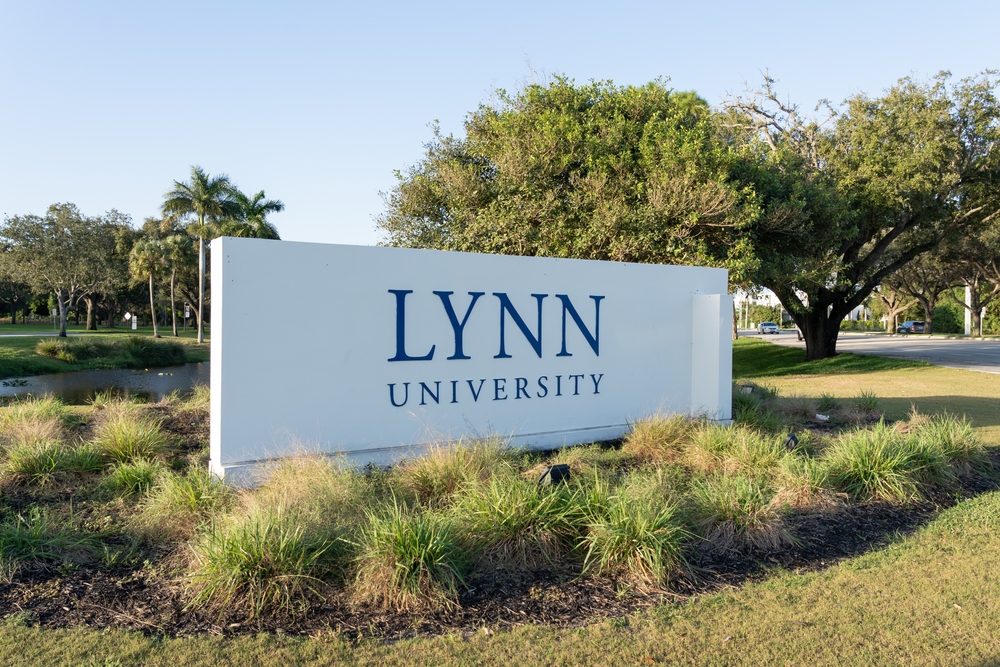
Lynn University leads the way in counseling education with its accredited programs that create skilled mental health professionals. The Master of Science in Clinical Mental Health Counseling (CMHC) program serves as the cornerstone of their educational offerings. Students who complete this program meet Florida’s educational requirements to become licensed Mental Health Counselors.
The program helps you meet all educational requirements to become a licensed mental health counselor (LMHC) or nationally certified counselor (NCC). The program’s value comes from its accreditation by the Council for Accreditation of Counseling and Related Educational Programs (CACREP). This credential shows the program meets national standards for counselor education.
Students can complete the 61-credit CMHC program at Lynn University in two or more years of year-round study. The program offers great flexibility in how you attend classes. You can choose between on-campus classes or an online synchronous degree option. The online path requires only two on-campus courses, which works well for students who need flexible scheduling.
Lynn University also provides valuable mental health support to its community. Their Counseling Services help currently enrolled students who face emotional, psychological, behavioral, and social challenges. The International Association of Counseling Services, Inc. has fully accredited these services, which include support for Spanish speakers.
The university offers a specialized Crisis, Resilience and First Responder Trauma (CRAFT) concentration. This innovative track builds future counselors with strong trauma-informed foundations to help clients who experience various types of trauma. The concentration emphasizes cultural responsiveness and examines how trauma connects with race, gender, sexuality, economics, and other factors.
After graduating, you can register with Florida to complete two years of supervised clinical hours and pass the national exam to become a licensed professional. The program costs $19,500 annually, at $650 per credit, though some sources list total tuition at $22,100.
Lynn University’s counseling programs give students practical experience, networking opportunities, and thorough coursework in personality theory, psychopathology, and human sexuality. These elements create a strong foundation for anyone who wants to make an impact in mental health.
What counseling programs does Lynn University offer?
Lynn University’s counseling education program features the Master of Science in Clinical Mental Health Counseling (CMHC) as its flagship offering. The program helps you get ready to practice professionally in the counseling field.
Students can complete their degree on campus or through online synchronous classes. The online option requires you to visit campus only twice. These visits happen over two separate weekend experiences at Lynn.
The program teaches you everything in counseling foundations. You’ll learn about personality theory, psychopathology, human sexuality, and legal and ethical issues in counseling. These skills help you work with clients of all backgrounds in substance abuse treatment centers, community mental health agencies, and educational institutions.
The CMHC program also offers a specialized Crisis, Resilience and First Responder Trauma (CRAFT) concentration. This track builds on three key pillars:
- Supporting clients impacted by crises
- Building resilience in the face of trauma
- Effectively counseling first responders
The CRAFT concentration recognizes how trauma connects with identity aspects like race, gender, sexuality, and economic status through its focus on cultural responsiveness.
The program’s CACREP accreditation is one of its greatest strengths. The Council for Accreditation of Counseling and Related Educational Programs (CACREP) certification means your degree meets educational requirements for licensure in all 50 states. Several states like Florida, Kentucky, North Carolina, and Ohio specifically need CACREP-accredited master’s degrees.
After graduation, you can register with Florida’s state board to complete two years of supervised clinical hours. You can become a licensed mental health counselor (LMHC) or nationally certified counselor (NCC) once you pass the national exam.
Internships/Practicum at Lynn University
Lynn University’s counseling education puts hands-on clinical experience front and center through well-laid-out practicum and internship opportunities. Students in Clinical Mental Health Counseling complete three back-to-back experiential courses in their final year. These courses add up to 1000 clock hours of total fieldwork.
The program follows this practical sequence:
- CSL 605 Practicum in Counseling (Fall, final year) – up to 240 hours
- CSL 695 Internship in Counseling I (Spring, final year)
- CSL 700 Internship in Counseling II (Summer, final year) – 760 hours combined with Internship I
Students must complete core coursework before starting their practicum. This includes personality theories, psychopathology, developmental psychology, legal and ethical issues, counseling theories, techniques and interventions, group theories, and social and cultural foundations. The university requires students to maintain good academic standing and score at least 3 or higher on every area of the Professional Performance Evaluation.
These experiences help you build up 280 direct client hours (40 during practicum, 240 across internships) and 720 indirect hours. Students must attend weekly group supervision sessions lasting at least 1.5 hours. These sessions help you apply theoretical knowledge in real-world settings.
Students train as counselors at several mental health agencies partnered with Lynn University. Our community partners include:
- Center for Child Counseling
- Lifeskills of South Florida
- The Faulk Center for Counseling
- Renfrew Center for Eating Disorders
- Community Partners of South Florida
- Caron Renaissance, Florida
The experiential courses demand steadfast dedication but provide great networking opportunities. This component meets national accreditation standards and state licensure requirements. Each state has different licensure requirements, so researching state-specific credentials becomes your first semester assignment.
The program’s extensive training prepares you to provide clinical services in a variety of settings. Graduates meet all educational qualifications for Florida licensure or national certification.
What makes Lynn University different?
Lynn University’s counseling programs stand out with several unique features. The Clinical Mental Health Counseling (CMHC) program has accreditation from the Council for Accreditation of Counseling and Related Educational Programs (CACREP). This credential helps graduates meet licensure requirements across all 50 states.
Lynn’s counseling program has earned recognition from the International Registry of Counselor Education Programs (IRCEP). This shows the program’s steadfast dedication to meeting high international quality standards. The program attracts a diverse student body with 18% international students.
The university maintains a 16:1 student-faculty ratio. Students receive tailored attention and mentorship in a reliable academic environment. They face challenges that test their knowledge and skills while discovering opportunities for professional growth. Students can explore themselves deeply to advance their professional development.
The faculty brings rich expertise to the program. Dr. Ali Cunningham specializes in autism spectrum disorder social relationships, while Dr. Lucinda Bratini focuses on social justice approaches to mental health. Faculty members work together with students on research projects, conference presentations, and scholarly publications.
Professor Jonathan Sperry shares his perspective: “What sets Lynn University apart is its remarkable spirit of community, cooperation, and genuine connection… Lynn’s leadership truly values collaboration; they enthusiastically support faculty and students as we present at conferences together, travel abroad for unique learning experiences, and work hand-in-hand to publish scholarly papers and textbooks”.
The university offers mobile-friendly curriculum and accelerated degree options. These features help students balance their work and family commitments effectively.
Next steps
Want to study counseling at Lynn University? The application process starts when you submit your completed application form with a personal statement, official transcripts from previous institutions, and a current resume. The Clinical Mental Health Counseling program requires a letter of recommendation, a personal interview, and a $300 non-refundable deposit after admission.
You can request more information or begin your application through Lynn’s graduate admission portal. The Registrar will review your transcripts after acceptance to determine if you need any prerequisite courses. You can self-register for courses once admitted.
Lynn’s admission counselors will support you throughout your educational experience and guide you through each step. Florida licensure requirements after graduation include:
- Register as a Mental Health Intern with the state
- Complete two years of post-graduate supervised clinical experience
- Sit for the state-approved licensing exam
Licensure requirements differ by state, so research specific requirements for your intended practice location. International students with F-1 visas can work in the U.S. for up to 12 months after completing their degree through Optional Practical Training.