
Counseling Programs from University of Florida
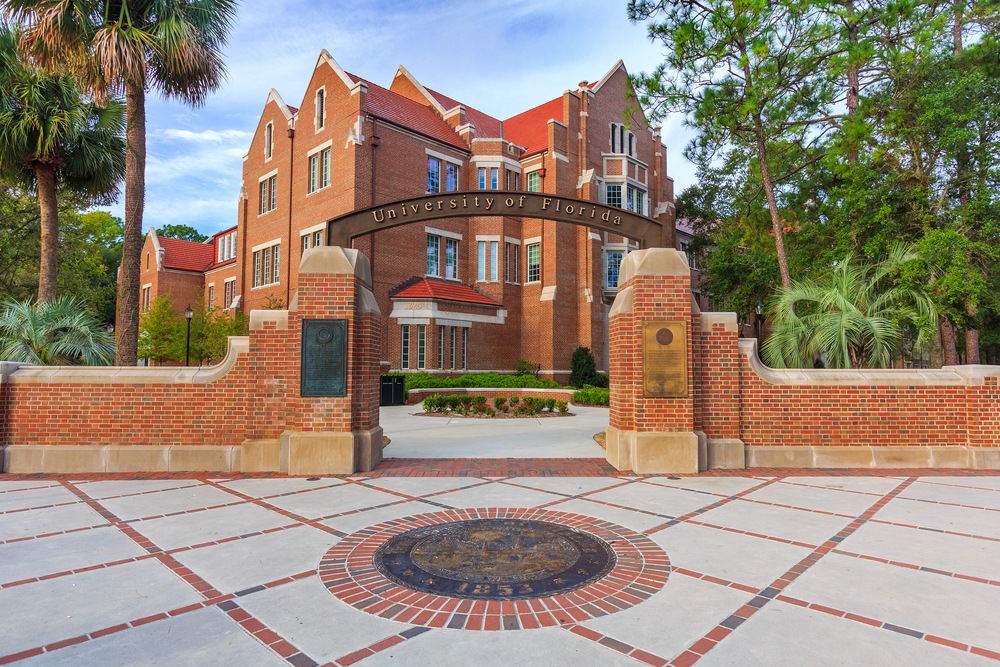
The University of Florida provides comprehensive counseling programs that give students the essential skills needed for successful counseling careers. The Counseling and Wellness Center (CWC) supports students throughout their educational experience and helps them reach personal wellness goals while connecting them to university resources.
Students can access different types of counseling at CWC – short-term individual, group, and couples counseling. The individual sessions target specific, manageable goals like developing coping skills, self-help strategies, or setting academic priorities. Group counseling creates a safe environment where 4-10 students meet with 1-2 CWC counselors in weekly 90-120 minute sessions. The CWC uses a short-term approach that limits individual and couples counseling to maximum of 12 sessions.
The Counselor Education Program offers students who want professional credentials a strong curriculum with specialty tracks. Students learn through hands-on training that connects theory with ground application. The Mental Health Counseling track readies students to become Registered Interns and, after supervised clinical work, licensed Mental Health Counselors in Florida.
The university’s academic paths consist of:
- On-Campus Ph.D. – Perfect for future counselor educators who want research, teaching, supervision, and leadership roles
- On-Campus M.Ed./Ed.S. – A core program requiring minimum 72 credit hours that leads to dual degrees
- Counseling Psychology Graduate Training Program – American Psychological Association accredited program that follows a scientist-practitioner model combining theory, scientific thinking, assessment, research, and practice
The doctoral program in Counseling and Counselor Education prepares students for academic careers and advanced clinical positions. This aligns with the university’s goal to develop future scholars and professional leaders. Students with master’s degrees and at least two years of clinical experience fit well in this program.
The CWC’s staff comes from many countries including Canada, China, Colombia, Cuba, and others. They speak multiple languages and dialects, bringing varied backgrounds, abilities, and worldviews. This creates a welcoming space that shows the university’s dedication to helping students from every background.
UF students can access counseling services through their student health fee, making mental health support available throughout their academic experience.
Counseling programs from University of Florida
The University of Florida’s College of Education runs several specialized counseling programs. Students can earn professional credentials through different pathways that lead to advanced counseling careers.
The Mental Health Counseling Track helps students achieve Registered Intern status. After completing supervised clinical experience, graduates can become licensed Mental Health Counselors in Florida. Students need:
- A bachelor’s degree from an accredited institution
- Minimum 3.0 GPA in upper-division undergraduate work
- No GRE requirement
The Marriage and Family Counseling program matches the Mental Health track’s admission requirements. Both programs start every fall with students taking 12 credits per semester. Students typically complete these programs in 2.5 years.
The School Counseling program gives students specialized knowledge to work as counselors in public or private schools. Graduates can work at elementary, middle, or secondary levels. This 72-credit hour program prepares students for Florida Department of Education Certification in School Counseling. Students must pass all sections of the Florida Teacher Certification Examination before graduating.
UF’s doctoral programs in Counseling and Counselor Education prepare students for careers in academia and advanced clinical positions. These programs work best if you have a master’s degree and at least two years of clinical experience. Students complete coursework, clinical internships, teach, supervise others, and conduct dissertation research. Most finish in 3-5 years while managing work and school responsibilities.
The university maintains high standards through accreditation by major organizations. The School Counseling program has earned accreditation from both the Council for the Accreditation of Educator Preparation (CAEP) and the Council for the Accreditation of Counseling and Related Educational Programs (CACREP).
Students interested in psychological counseling can pursue UF’s Department of Psychology’s Doctor of Philosophy in Counseling Psychology. The American Psychological Association accredits this program, which follows a scientist-practitioner model that combines theory, scientific thinking, assessment, research, and practice.
Classes stay small across all counseling programs, averaging 15 students per class. This approach ensures individual attention and creates an ideal learning environment.
Internships/Practicum at UF
Hands-on training is the heart of UF’s counseling education program. Students gain real-world experience through structured internships and practicums. The Counseling and Wellness Center (CWC) is their main training ground, staffed by 56 clinicians, 15 support staff, 4 Postdoctoral Fellows, 5 doctoral psychology interns, 2-3 doctoral counselor education interns, and about 10-15 doctoral practicum students.
Master’s students complete their practicum over one semester, logging 100 clock hours. They spend at least 40 hours working directly with clients. This original experience helps them polish their counseling skills under faculty guidance. Their next step involves internships that require 600 clock hours, including 240 hours of direct client work.
The CWC provides several specialized training paths. Master Level Specialist Internship positions let students focus on Generalist College Mental Health, Group Counseling, or Outreach. These positions run from May 11, 2026, to December 3, 2026. Students who choose individual counseling typically work with 10-12 clients weekly.
Doctoral students in Counseling Psychology start their clinical work with a “captive” practicum during their second year. They can later apply to become Advanced Practicum Counselors at various locations.
Quality supervision plays a vital role in student development. Each intern gets one hour of individual supervision and one hour of group supervision weekly. Group sessions happen every Wednesday from 9am-10am. This support system helps trainees get guidance whenever they need it.
Students train in a variety of settings – university counseling centers, VA medical centers, and community mental health facilities. Top placements include Arizona State University Counseling Center, Cambridge Health Alliance/Harvard Medical School, Duke University Counseling Services, and many more across the country.
Students show improved counseling skills as they handle more complex client cases. Faculty members expect them to follow professional ethical guidelines throughout their training. This preparation builds the foundation they need to practice independently in the counseling field.
What sets University of Florida apart?
University of Florida’s counseling programs have earned top national recognition. The Counseling program ranks #1 in the nation, which has helped push the College of Education to #4 among public education colleges and #6 overall in the 2025 U.S. News & World Report.
The numbers tell a compelling story of excellence. Strong performance metrics show the program’s success through graduation rates, exam pass rates, and job placement statistics. Master’s degree graduates in Student Counseling earn a median salary of $48,924.
Advanced research opportunities at the university help students push past traditional boundaries in the counseling field. Psychological science serves as the foundation that shapes every program participant’s experience.
Students immerse themselves in experiences that connect theory with practice. The college’s remarkable rise among education colleges nationwide stems from its innovative curriculum, talented faculty, and well-utilized research funding.
The university’s exceptional standing gives students complete training to build meaningful careers in counseling and education. UF has become the top choice for students seeking quality counseling education.
Next steps
Want to earn a counseling degree at University of Florida? Your success in joining these prestigious programs depends on understanding the application process.
Each program level has specific application deadlines. The Mental Health Counseling Track accepts applications until November 1 for Fall. Students seeking admission to the Doctoral program in Counseling and Counselor Education must submit all materials by November 15 for fall semester.
You should start your application early. The process needs 2-4 weeks to collect all requirements. Official transcripts and recommendation letters must accompany your application for admission review. Doctoral candidates need to include their GRE scores with the application.
The university sends out decisions based on this schedule:
- Master’s program applicants: By mid-April
- Doctoral program applicants: By mid-February
International applicants need extra time for immigration processing. Standard deadlines might not provide enough time for these procedures. These students should submit their materials at least 6 months before their planned start date.